Philips Design & Patient Compliance
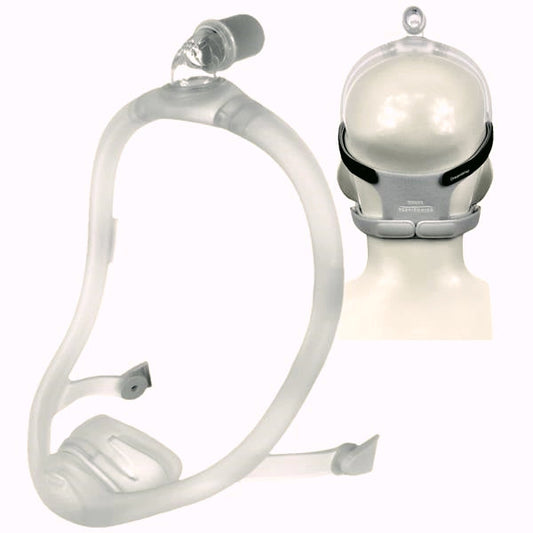
Philips Respironics focuses on an "Open-Face" design philosophy to address patient claustrophobia, a primary barrier to long-term therapy adherence. By relocating the tubing connection to the crown of the head, Philips interfaces minimize facial contact and provide a clear field of vision. This clinical approach allows patients to maintain their pre-sleep routines, such as wearing glasses or watching television, which fosters a more positive association with their medical equipment and improves overall compliance.
Philips Interface Systems
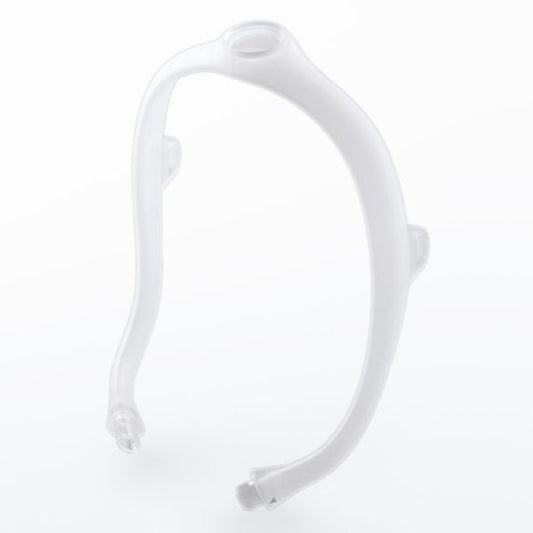
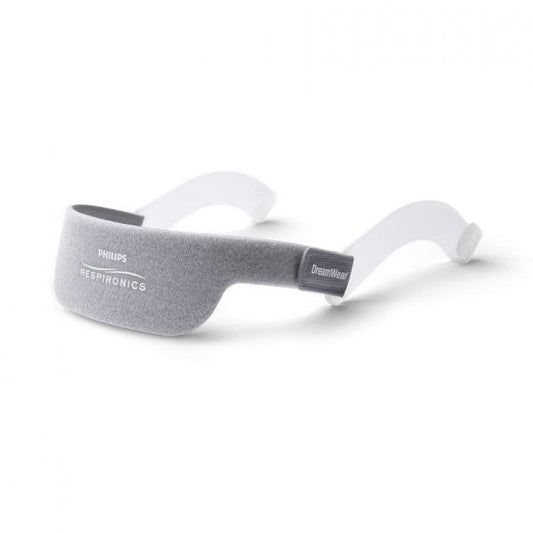
The DreamWear platform serves as a modular ecosystem designed for clinical versatility. This system allows for a single universal frame to be utilized with nasal, silicone pillow, or full-face cushions, enabling clinicians and patients to adjust the seal style without switching headgear systems. For patients requiring a traditional nasal interface, the Wisp Nasal Mask offers a lightweight, low-profile alternative that has become a clinical standard for reliability and ease of fit.
Integrated Philips Ecosystems
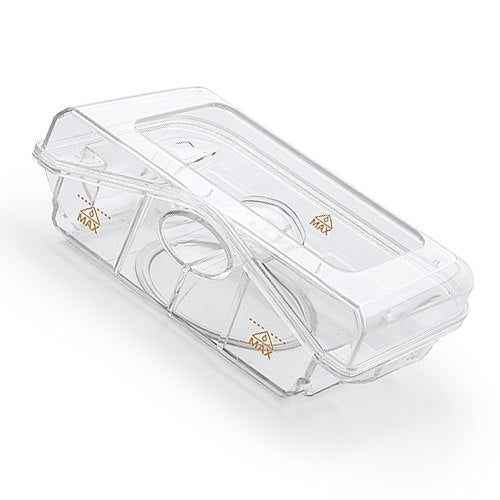
The DreamStation 2 Auto CPAP Advanced is engineered to integrate seamlessly into the home environment while maintaining high-level data tracking for clinical review. Featuring a 25% smaller footprint than previous generations, the system includes integrated humidification and intuitive touchscreen controls. All Philips interfaces utilize a standard 22mm ISO connection, ensuring full compatibility across the entire Respironics lineup as well as with other leading PAP devices.
Equipment Maintenance Standards
Adhering to a standardized replacement schedule is critical for maintaining therapy efficacy. Soft-goods, specifically mask cushions, should be inspected for material degradation every 30 to 90 days to prevent pressure leaks and skin irritation. To protect the machine’s internal blower motor, it is essential to replace DreamStation 2 Filters monthly and monitor Heated Tubing for mineral buildup or wear.